
How does our geography shape us and how do we shape our geography?
By: Trisha Rampadarat
Climate change
Read on how we shape our climate change and how our climate change shapes us.
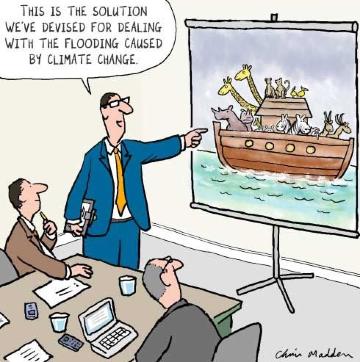
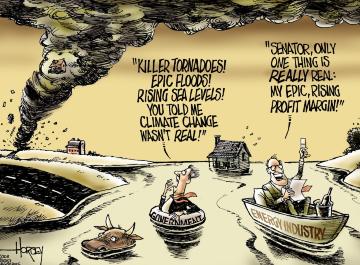
Natural Disasters
Read on how we shape our natural disasters and how our natural disasters shape us.
Sustainability of natural resources
Read on how we shape the sustainability of our natural resources and how the sustainability of our natural resources shape us
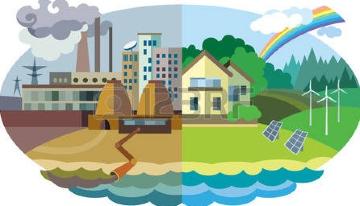
Climate change
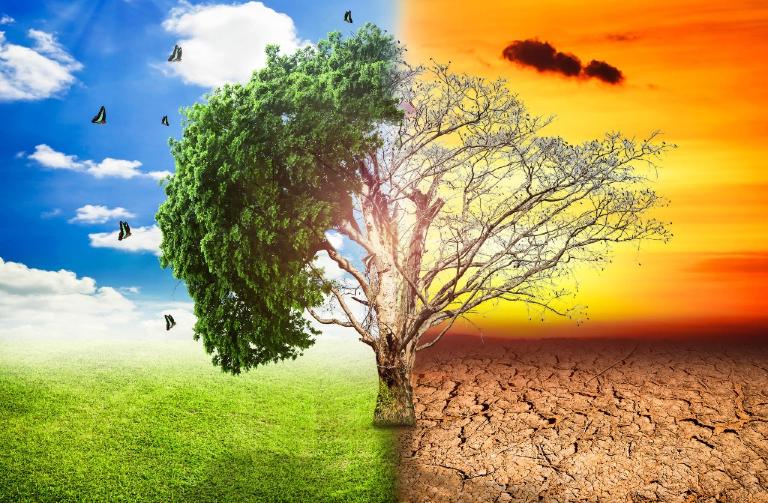
How we shape climate change:
We shape our climate change from our everyday activities, which causes the rapid changes going on in climate. The greenhouse effect is what is leading to our climate change throughout global warming. The more the greenhouse effect enhances the more global warming follows. The greenhouse effect is the release of harmful gases in the atmosphere causing the planet to become warmer. To produce the electricity for us to use we burn fossil fuels. The number one way we contribute to the increased production of greenhouse gases is from burning fossil fuels such as; coal, oil, and natural gas. The main greenhouse gases are; Carbon Dioxide, Methane, Nitrous Oxide, Hydrofluorocarbons, and Perfluorocarbons.
The greenhouse gases; (natural and human induced sources):
Carbon Dioxide human-forming sources comes from the burning of fossil fuels (e.g. coal, oil, natural gases) to provide us with electricity in many forms, industrial emissions, as well as from deforestation. Cutting down trees gives us less vegetation that can provide us with oxygen. Trees absorb carbon dioxide and create oxygen in our planet. Some natural sources that form this greenhouse gas are; volcanic eruptions, forest and grass fires, and the decaying of organic material.
Methane is another greenhouse gas that affects the change in our climate. We cause methane from livestock farming/ manure, landfill sites (where we dump our garbage), and coal mining. Natural causes of Methane are formed from wetlands and the melting of permafrost.
Nitrous Oxide is another gas that is created from human and natural act. This gas is also one of the gases produced when we’re burning our fossil fuels, and wood. There are also a lot of Nitrous Oxide exposed to our planet from Nitrogen-based fertilizers that many farmer use. However, naturally it is revealed to our planet when released from soils and water that contain Nitrogen.
Hydrofluorocarbons are manually created from foam insulation, coolants in refrigerators and air conditioners. This can only be naturally made, there are no natural sources for Hydrofluorocarbons.
Another greenhouse gas that is manmade is caused from coolants in refrigerators and air conditioners is Perfluorocarbon, which is also released from aluminum production.
There are numerous activities we do that lead to these greenhouse gases evolving.
We are enhancing the greenhouse effect from our electricity use, industrial/transportation emissions and deforestation.
Electricity:
We contribute to the greenhouse gasses to generate electricity heat our homes, power our factories, and run our cars, etc. To create this electricity we burn fossil fuels. The fossil fuels consist of coal, oil, and natural gas. We as a country (Canada) use extreme quantities of fossil fuels which force us to use more of these natural resources, which are non-renewable as well, meaning once we use them all they are gone forever. This produces a lot of pollutants to enter our planet Earth, which is making climate change a big problem globally! Not just in Canada. We need to properly manage the amount of resources we use by using less electricity. Let’s be honest we don't need the amount of electricity we actually use.
Here are some ways we can reduce the amount of electricity we use:
Reduce energy use;
Turn off devices when you aren't using them ex. Computers
Eliminate phantom plugs, try to use products with polarized plugs
Use power strips
Use LED lights
Turn off the light when you leave the room
Insulate your home;
Purchase windows or window coverings that help block out or keep in warmth
This will save you on your electricity bill a lot, overtime especially
Cool wash, and hang dry clothing;
Washing clothes in cool water also save your electricity bill tons, and still gives you squeaky clean clothes
You can dry clothes on a drying rack, indoors or even outdoors, and this as well saves you on your electricity bills because you aren't using as much electricity on drying machines.
Naturally drying clothes also help it last longer, because dryers tend to slowly cause damage to clothes causing it be worn out faster.
Use high efficiency appliances;
High efficiency appliances are usually the appliances with the ENERGY STAR logo, this indicates that it uses less electricity to function, which is better for the environment and for your wallet.
Switch to “green power”;
If most of you power sources are from non-renewable resources. If so, talk to your power provider and see if you can switch a greater percentage of your power source to renewable resources instead.
Industrial/transportation emissions:
Industrial factories produce a lot of pollutants, this greatly affects the climate of our planet as well as our country considering we are in the top 10 for the countries contributing to greenhouse gasses the most. We use industrial factories to manufacture useful products. The process of manufacturing these goods create immense amounts of pollution. Also transportation, cars, busses, etc release a lot of carbon dioxide into the atmosphere. We need to stop producing so much greenhouse gasses, industries are where most of the fossil fuels are being burned to create useful products that we can then use and trade with other countries. To help reduce the amount of carbon we produce;
Change ways of transportation,
Try riding a bike or walking whenever possible. It is great exercise and you won't be using as much money go gasoline, or on the latest vehicles.
If you still need to use a vehicle for longer distance traveling, try carpooling whenever possible.
For industries
try to conserve as much energy as possible
Look at possible alternative ways to manufacture with creating less pollution, and/or using other resources (renewable) to power your factories.
Deforestation:
Deforestation is an extremely important effect on the climate change we are experiencing. We are changing land use patterns, we are cutting down numerous trees which is basically our only filter from these harmful gasses to be reproduced as oxygen. The carbon dioxide, along with other gasses are just becoming more trapped in our atmosphere and building up. This is leading to the absorption of more sunlight from our sun. This is global warming. This is damaging our planet, as well as our future in it. If we continue to cut down trees, and the absorption continues, growing more may not even be an option because the weather may destroy the required conditions for this vegetation to grow. Even if they do grow, they may not last long, and a lot may not grow because many trees need to be under certain weatherly circumstance to develop. Us destroying our vegetation is us destroying our future for humanity. We need to stop cutting down large amounts of trees. Instead we should;
Plant more trees!
How climate change shapes us:
By how we shape our climate change we face many consequences with the changing weather. Warmer weather is leading to more extreme weather conditions, retreating glaciation more frequently, and extreme natural disaster as never seen before. These changes are causing disruptions in the indigenous people way of life. They are supposed to be able to predict the weather as their forefathers did. But now that is extremely difficult with the climate shift. The weather conditions are going to affect us as well as our environment as Canadians greatly. Below are some of the things that are occurring now and will evolve later on as global warming continues to become an even bigger issue to our society and environment;
Experiencing river ice break-up earlier
More heat waves
Less cold spells
Thawing permafrost
Spring runoff occurring earlier
Increase in precipitation over large parts of Canada, more snowfall in northwest Arctic
Indigenous people of the Arctic are no longer able to predict the weather as their forefathers did
Longer growing season
Earlier budding of trees
Enhanced natural disasters
Natural disasters
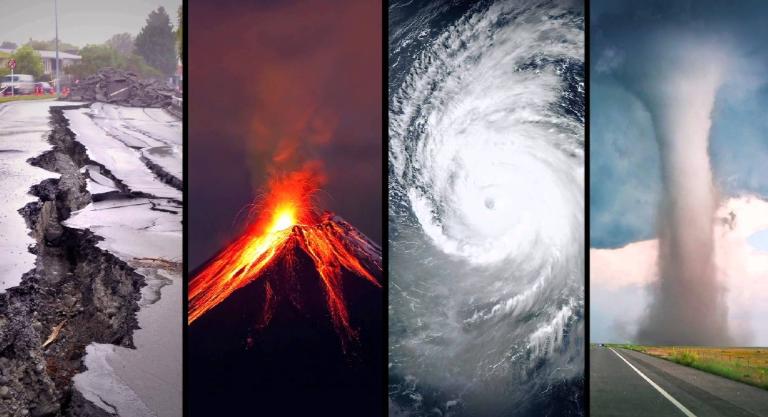
How we shape natural disasters:
Climate change which will further on be shaping us because we are enhancing them. We are the reason they are becoming more extreme from our actions. We are becoming extremely greedy with our natural resources and this is leading to changes in our environment, climate, and causing global warming. Global warming is causing a negative impact on natural disasters, and now we have to deal with horrific natural disasters through harsher conditions, which could be even more deathly. Our way of life is evolving, and using more than what we were initially provided, and expected to properly maintain. But we are being careless, and now are having to go through even more immense conditions With events such as these, which are already extremely dangerous and deadly.
How it shapes us:
Natural disasters damage our communities , are very harmful/dangerous, and are getting worse.
Damages community:
Natural disasters damage communities. Many people lose their homes from various types of these horrific events. Sometimes it takes forever to rebuild, especially by the disasters most common in canada. Such as; floods, snowstorms (extreme ones cause great damage), and tornadoes. Here are some of the most common disasters that occur across canada, and how they could affect the community and/or environment.
A flood is an exceedingly high quantity of water which is washed over communities that cannot withstand these large amounts causing immense wreckage to areas all over the world as well as Canada. Canada has gone through a few long lasting floods. The provinces that floods mostly occur in are Manitoba and British Columbia. They happen frequently in many areas in Canada compared to other natural disasters which take place across Canada. They exceed immense damage to the areas they strike. They drown communities, which take numerous years to rebuild, depending on how strong the occurrence of the disaster is and the damage it brings.
Snow storms are another common natural disaster that regularly arise. Snowstorms are storms which include snow fall drastically over the regular amount. Extreme snow storms which consist of great amounts of snowfall could lead to other natural disasters which could make the level of harm doubled because this would be two natural disasters occurring on one occasion. Severe snowstorms could lead to avalanches if they happen to take place in an area with steep slopes. Snowstorms already take many lives yearly when they get extremely bad, avalanches added onto snowstorms could do way more catastrophic damage to people and their environment. This is probably the most common natural disaster that transpires in Canada, and affects many Canadians nearly every winter. When it gets too out of hand this natural disaster can take many lives, and even more than that when possible avalanches are added onto it.
Tornadoes are another natural disaster that is common in the Canadian country. A tornado is destructive, violent rotating winds, which looks like a whirling cone which is found over land. Another common natural disaster across canada. Natural disasters of this extend over Canada. They take place in many provinces such as Manitoba and Alberta, Saskatchewan, etc. They take place mostly in lower parts of Canada because many are brought into our country from the United States. These natural disasters form from mostly weather/climate conditions making horrific outbreaks that take lives of many. They wipe out the community or anything in their path which leaves the ones who were lucky enough to survive with nothing.
Harmful/ Dangerous:
The occurrence of natural disasters harm many. They don't only destroy communities, they kill off much of humanity. Considering how harmful these disasters can be and the fact that they are beginning to get worse, we need to start planning ahead. Since the lives of Canadians are greatly affected because of natural disasters, we need to create plans and/or procedures to prepare for the worst. To prevent lives being lost, and for ourselves to be safe if any natural disaster was to strike us, we need to be prepared with a plan/ procedure to escape to get to safety, and a reliable plan for shelter and food because some natural disasters last longer than others.
All these plans/procedures will come together to create a family emergency plan, that will be dependable.
The most important step is the procedure. This answers the question you will first need to do in a time of crisis, how would you get out of it? Because shelter and food sources wouldn’t be helpful if you can't get out of the situation first. It depends on what type of natural disaster you are in to apply to the escape plan. For example, in earthquakes you need to drop, take cover, and hold on. If it’s another natural disaster, try to have reliable radios that can tell you what is happening, or if a type of natural disaster in near. Also pay attention to the news to get updates if a natural disaster is heading towards your area. I know the news is boring but it will help you under circumstances such as these. This will be helpful when it comes to disasters such as floods, hurricanes, tornadoes, etc. so you can have time to evacuate your homes, and warn neighbours/ people close by.
A plan for shelter, depending on how extreme the natural disaster is you need to prepare. For shelter you could use storm cellars or take shelter in your basement when it comes to hurricanes, tornadoes, or other severe storms. But for floods if the evacuation isn't possible, and the flood was unexpected try to take shelter on higher ground. It's good to plan for all natural disasters possible because you never know which one you are going to be dealing with. Especially due to the changes in climate causing various types of natural disasters which are even harsher than before.
Once you have a trusty shelter hideout, create space for nonperishable food and lots of water to last your entire family because you never know how long a natural disaster will last. Along with the harsher disasters longer lasting ones are appearing as well. When it comes to a non-perishable food supply try to focus on foods that are canned, and can be eaten as sold. For example, canned beans, juices, milk, ready to eat canned meats, etc.
Prepare for the worst so you can guarantee whatever disaster hits, you and your family will be safe and secure with a supply of everything you need to survive.This is shaping us to become more aware of what can happen at any moment in time, and help us prepare for it.
The natural disasters are getting worse due to the impact of climate change:
Due to climate change, natural disasters have a huge impact on us as Canadians. Natural disasters are being enhanced in many ways, especially droughts, floods, storms/ tornadoes, hurricanes, forest fires, and severe temperatures are occurring.
Droughts are changing and not for the better. As temperatures rise, droughts are becoming more common in Canada. The rising in the temperatures means that precipitation will mostly convert to rain instead of snow, this will lead to earlier snowmelt and increased evaporation. Droughts are not good for vegetation reasons mostly, it affects more but in our dry soil regions the soil will become even more dry causing poor growth in crops, so Canada will no longer be able to have reliable farms to grow and harvest crops for food sources.
We will need more water from the occurrence of droughts but not as much as the offer of floods. Floods are also becoming more severe, and are already the #1 natural disaster all over Canada. There are more floods in Canada than any natural disasters combined. And this will be increasing as well as worse than previous floods. The increased heating of the planet is causing this natural disaster to become more likely. Floods that are worse than previous ones will cause an immense amount of damage to homes, and many of these last exceedingly long.
Storms/ tornadoes are beginning to be more critical. It will be expected that tornadoes become more frequent as the temperature rises due to climate change. These extreme winds will cause horrific damage all across Canada. These winds can kill many as well as demolish anything in its path.
Hurricanes are increasing because they are formed over warm waters near the equator but since the temperature is getting warmer they are going to be able to form many other places extended all over the word which also make Canada a big target because of it being the 2nd largest country in the world.
Forest fire chances are expanding. Hotter and drier summers make it more suitable for forest fires to form. Forest fires can be cause from lightning, lava or its even possible to be produced from immense amounts of heat and burst into a dreadful wild fire. Forest fires have been increasing rapidly over the past 20 years, and are damaging the boreal forests especially, which extends over majority of Canada.
Severe temperatures are occurring causing harmful heatwaves. Extreme heatwaves are expected to be growing. They are damaging to elder people, young children, the poor who do not have the needed shelter and have no choice but to be out in these conditions all day and night. It is also unhealthy for people who have health condition like asthma, heart disease, etc. This is also destructive to crops, they will receive too much warmth/sunlight which won't allow them to grow healthy or properly. This means Canada will no longer have a great variety of many crops for food sources.
Sustainability of natural resources
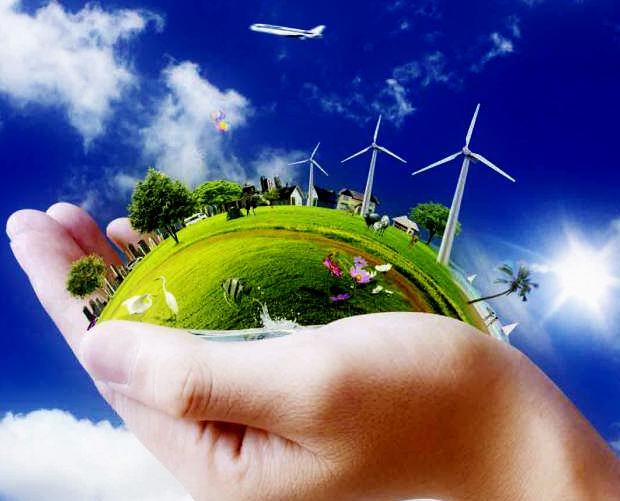
3 types of natural resources:
There are three types of natural resources. They are the following; renewable, non-renewable, and flow resources.
Renewable resources are resources that replace themselves after they are used, or can be renewed in a short period of time. Resources of this are; forestry, fishing, and farm products. If they aren't managed properly/well they can lose the ability to renew themselves.
Non-renewable resources are resources that can only be used once. Once they are used they are gone forever. The reason for this is because they can only be created under certain circumstances which take thousands of years to form, which no longer occur. Non-renewable resources would be; mining (metallic and non-metallic, and fossil fuels). This material we take for granted as Canadians and don’t manage properly. If we continue doing this future generations won’t get to experience everything we have because this is cutting them off from manufactured goods that could be useful in the future.
There are also flow resources. A flow resource is a resource that is used and replaced immediately. For ex. water, sun, and wind.
Not managing any one of these natural resources properly could lead to a problematic future. So we need to learn how to manage all types of natural resources properly, and wisely for us as Canadians as well as the rest of the world and future generations.
How we shape the sustainability of natural resources and how it shapes us:
We overuse our natural resources, we are extremely greedy when it comes to this, we don't manage it properly. If we continue overusing them, there won't be any left soon.
We use a lot of our natural resources. Not even for our needs anymore, it’s more for our wants. We are overusing them, and there won't be any left in the future if we continue like this. We are overusing the resources now just to live a lavish lifestyle. It's not just for what we need to sustain life anymore, we are greedy and are using more than we should to have valuable features in our life. It is important to manage our resources, and follow the Walpole island First Nations strategies, and reasoning to sustain these valuable resources. The main 3 of the values I think were the most important when it comes to the Walpole’s list was the following; we should sustain the natural resources as a duty to the future generations, to show respectful and responsible use of resources, and recognition that people depend on the physical environment. I chose the above reasons because the future generations should get to experience the lifestyle we are, it would be unfair if they didn't. Also they stated that the natural resources weren't even theirs (or ours) to begin with, they believed for them to be a gift, and not to be taken for granted. So it would only be respectful to show how responsible we could be with them. And it also shows that we need our physical environment for our survival, we depend on it. We shouldn't abuse something we depend on.
We use it for industries that consume a lot of natural resources and produce various pollutants. This contributes to climate change.
Industries create vast amounts of pollution due to the great amounts of fossil fuels we use to produce goods that we technically don't even really need. This is affecting our weather, and soon will result to a planet that is no longer livable due to climate change. The industry doesn't really care about the amount of pollution being released because buisness is buisness to their eyes. But what they don't realized is that if they put their business as a first priority over environmental conditions, will the business matter later on? It may not even be possible to have a business, or for this planet to sustain life if we keep polluting it. Climate change and global warming are real, and with mindsets like this, our planet will never get better, and we will be forced either to move elsewhere or face the destruction and consequences that follow. There are industries across Canada manufacturing millions of products we don't necessarily need. This isn't respectful and responsible use of the natural resources we were granted. If we treat the environment badly, that's exactly what we’ll get in return. A damaged environment.
We do international trade/ global trade.
We are now trying to get more involved with international/ global trade. This is great, but mostly just for our economy. A good economy will be great for Canada, but that doesn't mean it would be exactly the best for our resources. Yes, we will be receiving goods in return as we export to other countries. But we are overusing our natural resources just for our population alone. Imagine if we were providing the rest of the world with the resources we have as well. Some areas don't have the resources we have, and we don't have all the resources across the world, which will be good if we go through with this international trade. It will be a fair, free trade. And an extremely good idea to bring a rise in our economy. But think about us providing the rest of the world with something we are having problems managing for our own country. I'm not saying we should be greedy, and not have an international trade. Im saying we need to reserve a lot of our natural resources. We need to save some for the future, because if we hand them out all willy-nilly we will run out, and what will we do then? What will the future generations do then? We need to manage our resources properly, especially our non-renewable natural resources. We can trade, but we should have a limit that we export. We have to think of the future of our community, of our country.
Why we need to sustain our natural resources:
Different countries depend on each other for certain good their country cannot provide, to make sure the lives of Canadians aren't jeopardized in the future, and so that our environment is protected, and won’t be damaged sooner.